

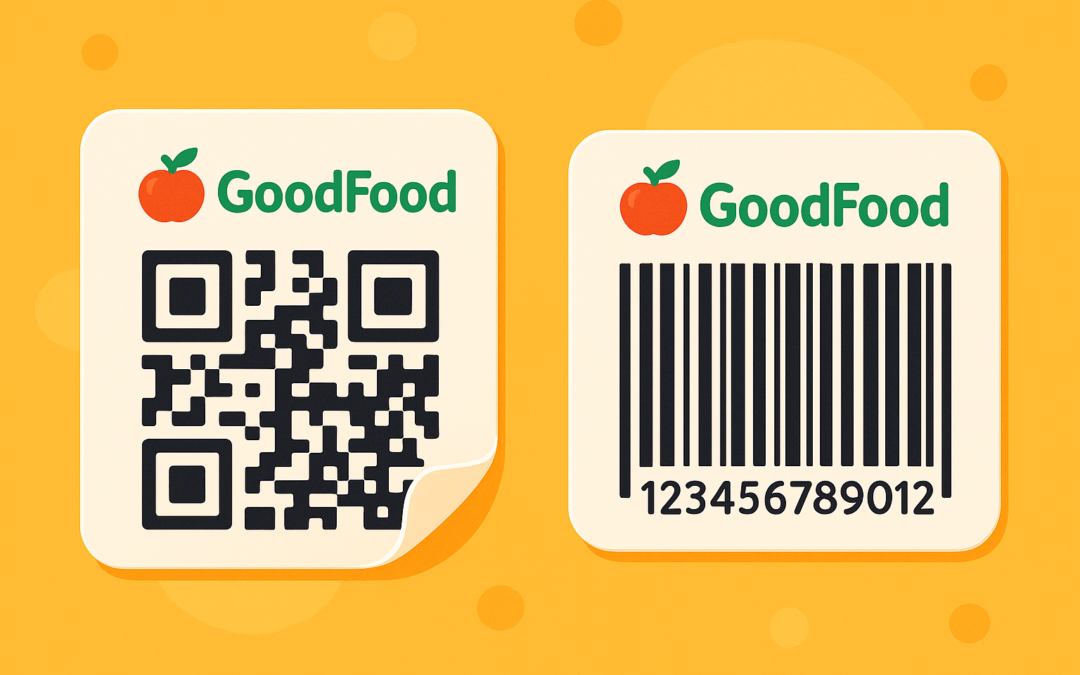
Interactive stickers are a modern form of labels and tags that—unlike traditional ones—contain elements that enable direct interaction, such as QR codes or barcodes. As a result, they serve not only as visual carriers of graphics or information but also as bridges between the physical and digital worlds.
By scanning such a code with a smartphone, users can instantly access a website, video, manual, form, or promotional content. In today’s rapidly evolving technological landscape—especially within the creative and e-commerce industries—interactive stickers are gaining popularity as a tool for increasing customer engagement. They allow brands to create better user experiences, track the effectiveness of marketing campaigns, and deliver personalized communication. Use cases are wide-ranging—from promotional campaigns (discount coupons accessible via scanned stickers) and interactive packaging (product instructions or brand stories) to educational purposes (learning games or multimedia content for children).

Interactive Stickers for Personal Use
Increasingly, interactive stickers are also being used by individuals—for example, content creators who promote their social media profiles using QR code stickers that link directly to Instagram, TikTok, or YouTube. They’re also becoming popular at weddings and other events, where guests can scan a QR code on an invitation or sticker to access a webpage with the event schedule, photo gallery, directions, or gift registry. It’s a simple yet effective way to create a more personalized and interactive experience.
How Restaurants Use Interactive Stickers

Interactive stickers are also increasingly used in the hospitality industry, particularly in restaurants and cafes. By placing QR code stickers on tables, menus, packaging, or receipts, establishments can provide guests with instant access to digital menus, special offers, or ordering systems—eliminating the need for printed materials and streamlining the customer experience. One of the most valuable applications is encouraging customer feedback. Restaurants can include QR codes that link directly to review platforms or custom feedback forms, making it quick and easy for guests to share their opinions right after their meal. This not only boosts engagement but also helps businesses gather real-time insights and improve service quality based on authentic customer input. Interactive stickers, in this context, serve as a subtle yet powerful tool for building stronger relationships with guests and enhancing their overall dining experience.
Interactive Stickers in Stores, Museums, and Entertainment Venues
In large retail environments such as supermarkets, shopping centers, amusement parks, museums, or home improvement stores, interactive stickers can significantly enhance the customer experience by improving navigation and access to information. Strategically placed large-format stickers with QR codes can redirect shoppers to interactive store maps, helping them quickly locate specific departments, product categories, or promotional zones. These digital maps can also display real-time updates, such as special offers or product availability. This makes shopping and getting around cultural and entertainment venues much easier and more enjoyable—visitors can quickly find what they need without getting lost or asking for help. Whether it’s someone’s first visit or a particularly busy day like a holiday, exhibition, or special event, interactive stickers act like a friendly guide.

If you sell stickers, it’s worth considering adding QR code and barcode stickers to your product range. These types of interactive stickers are growing in popularity because they bridge the gap between the physical and digital worlds—allowing quick access to websites, promotions, social media profiles, contact forms, or maps. Business clients increasingly use them for marketing, sales, or informational purposes, while private individuals often include them in event materials, packaging, or to promote their online profiles. Introducing these kinds of products to your offering can attract new customers, increase order value, and help your brand stand out from the competition.
Effortless QR Code Integration: Why a Built-In Generator is a Game-Changer for Custom Stickers
There are many online tools available for generating QR codes, such as QR Code Monkey, Adobe Express QR Code Generator, Unitag, Scanova, or QRStaff. Most of them allow you to quickly and freely create codes that link to websites, social media profiles, files, or contact information. Some tools also offer customization options, such as changing colors or adding a logo to the QR code.
While these tools are very useful, the best solution—for both users and sellers—is to offer a product personalization system with a built-in QR code generator. This feature enables customers to create fully personalized sticker designs with QR codes directly within the platform, without needing to use external services. It greatly simplifies the process and eliminates the risk of errors when copying codes or uploading files. For sellers, it also means saving time and increasing efficiency, as ready-to-print files go straight into production, making order fulfillment faster and more streamlined.